
Importing Indonesian Candlenuts (Kemiri): Specifications, Packaging, and Industrial Uses
Importing Indonesian Candlenuts (Kemiri): Specifications, Packaging, and Industrial Uses 13, May 2026 From the volcanic highlands of Indonesia to specialized cosmetic labs and artisan kitchens, the kemiri (Aleurites m...
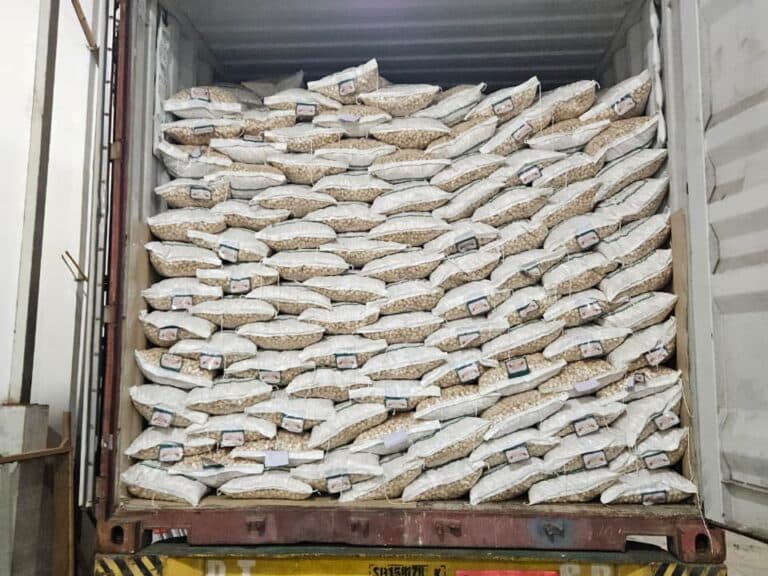
From the volcanic highlands of Indonesia to specialized cosmetic labs and artisan kitchens, the kemiri (Aleurites moluccanus) has carved out a vital niche in the global ingredients market. No longer just a regional staple, Indonesian candlenuts now support a sophisticated dual-track export economy:
- The Beauty Sector: it is a staple of high-end skincare.
- The Culinary Sector: It serves as a foundational thickening agent for the global Asian food service industry.
To meet these industrial needs, the trade relies on the Whole Super Quality grade. By maintaining a strict 0.5% maximum breakage level, exporters guarantee the physical and chemical integrity required for long-distance transit and precision manufacturing.
For global buyers, the challenge is navigating the gap between raw harvest and industrial-grade feedstock. In the following sections, we break down the essential specifications, packaging safety, and logistics required to successfully source bulk candlenuts from Indonesia for both culinary and cosmetic applications.
Whole Super Quality: Why 0.5% Matters.
In the trade of premium candlenuts, the 0.5% maximum breakage limit is a strict requirement for chemical stability rather than just aesthetics. Because the kernel contains roughly 65% oil (largely composed of polyunsaturated fatty acids like linoleic and linolenic acids) it is highly susceptible to spoilage that can contaminate entire shipments.
By limiting breakage to 0.5%, exporters like PT Pratama Spices Indonesia guarantee that the shipment remains chemically stable throughout the thirty-to-sixty-day transit periods common in international trade.
Read more: Candlenut Specifications by Pratama Spices Indonesia
Export-grade candlenuts must also adhere to a 99% purity standard. This measurement accounts for the removal of all extraneous materials, including shell fragments (testa), dust, and non-target botanical matter.
For cosmetic factories, high purity is essential to prevent the introduction of impurities into the extraction machinery, which can damage high-pressure components or contaminate the final oil product.
In the culinary sector, 99% purity ensures that Asian grocery importers receive a product that requires minimal cleaning before being processed into spice pastes or sold to end consumers.
Market Segmentation: Industrial Usage and Percentages
The utility of candlenut is segmented into four primary categories: Food and Beverages (F&B), Cosmetics and Personal Care, Pharmaceuticals, and Industrial Applications. The distribution of usage reflects the diverse biochemical properties of the nut and its oil.
1. Food and Beverages: The Core Application
The food and beverage sector remains the largest consumer of candlenut, accounting for approximately 37% of the total global market share in 2024.
In Southeast Asian culinary traditions, the candlenut (kemiri) is an essential ingredient, valued not as a snack nut but as a functional thickener and flavor enhancer. The nut’s high oil and protein content allow it to emulsify sauces and curries, creating a rich, creamy texture characteristic of Indonesian and Malaysian cuisine.
Read more: Candlenut Market Research Report 2033
2. Cosmetics and Personal Care: The High-Growth Vector
The cosmetics and personal care industry is the fastest-growing segment of the candlenut market, frequently marketed under the “Kukui Nut Oil” brand.
This segment is driven by the oil’s exceptional fatty acid profile, particularly its high concentration of linoleic and alpha-linolenic acids, which are critical for skin barrier repair and anti-inflammatory action.
3. Pharmaceuticals and Traditional Medicine
Candlenut has a long history in ethnobotany, with traditional practices utilizing the seeds, leaves, and bark for various medicinal purposes. In modern pharmaceutical applications, candlenut oil is being researched for its wound-healing properties.
Clinical studies have indicated that topical gels containing 25% candlenut oil are as effective as certain commercial medications, such as Burnazin, in treating minor burns and skin irritations.
Technical Trade Classification and HS Code Dynamics
The international monitoring of the candlenut trade relies on the Harmonized System (HS) codes, which categorize products for customs and statistical purposes.
The lack of a singular, globally standardized code exclusively for candlenut often leads to the grouping of trade data with other nut types.
- HS 0802.90.00 / 0802.99.00: These are the primary codes for “other edible nuts,” under which the majority of raw, shelled, and dried candlenuts are traded globally.
- HS 0910.99.90: This code covers spices and natural ingredients, reflecting the candlenut’s culinary role in certain jurisdictions as a spice rather than a nut.
- HS 1207.99.90: Utilized for “other oil seeds and oleaginous fruits,” this code is frequently applied to candlenut shipments destined for industrial oil extraction.
- HS 3305.90.00: Captures finished cosmetic preparations, such as hair vitamins and conditioners containing candlenut oil extracts, particularly in trades between Indonesia and China.
Closing: Bridging Origin to Industry
For global buyers, success in sourcing candlenuts depends on more than availability. It requires a partner who understands export-grade standards, maintains rigorous quality control, and ensures safe transit across long international supply chains.
From enforcing the 0.5% maximum breakage threshold to achieving 99% purity, every detail directly impacts the usability of the product in downstream manufacturing.
If you are looking to secure consistent, export-grade Indonesian candlenuts for culinary, cosmetic, or industrial use, now is the time to work with a partner who understands both ends of the supply chain.
Contact PT Pratama Spices Indonesia today to request specifications, samples, or a quotation tailored to your business needs.
Frequently Asked Questions About Importing Indonesian Candlenuts
What is the standard quality grade for export candlenuts?
The most widely used export grade is 0.5% breakage and a minimum of 99% purity. This grade is preferred for both food processing and oil extraction industries.
Why is the 0.5% breakage limit important?
Candlenuts have a high oil content, making them prone to oxidation when damaged. Limiting breakage helps preserve chemical stability, prevents rancidity, and protects the overall quality of the shipment during long transit periods.
What industries commonly use candlenuts?
Candlenuts are used across four main sectors:
- Food & Beverages (as a thickener and flavor enhancer)
- Cosmetics & Personal Care (as kukui nut oil)
- Pharmaceuticals (for topical applications)
- Industrial uses (oil extraction and derivatives)
What is the typical shelf life of candlenuts?
When stored properly in a cool, dry environment, shelled candlenuts can last up to 12–24 months. However, maintaining low moisture levels and minimal breakage is critical to preserving shelf life.
Which HS codes are used for candlenut exports?
Candlenuts may be classified under several HS codes depending on their application, including:
- 0802.90.00 / 0802.99.00 (edible nuts)
- 0910.99.90 (spices)
- 1207.99.90 (oil seeds)
- 3305.90.00 (cosmetic preparations containing candlenut oil)
What should I look for in a reliable supplier?
Key factors include:
- Consistent quality standards (0.5% breakage, 99% purity)
- Transparent specifications and documentation
- Export experience and proper packaging
- Ability to meet volume and delivery timelines